Welcome to My “Opposite The Editorial Page” Blog
Ritik Vanvani
Opposite the Editorial Pages (Op-Ed)
The genre I am studying and writing this article is Opposite of The Editorial Page or also known as, Op-Ed. I want to study them because I am quite intrigued with different views on a specific subject. I like to understand all the different opinions on a certain thing because I consider myself open minded.
Based on my current status as a college student and interest in sports especially my passion for Basketball, I chose to research argumentative topics based on Basketball and College. I came across the most talked about topic, “Should College Athletes be Paid?”. This caught my attention and I started to research about it and the first Op-Ed I found was a news article published by CNBC, “Majority of college students say student-athletes should be paid” is a good representation of my genre because most of the sports news articles are written for the audience. It provides lots of useful and important information and explains to the people what is happening in sports related events. My article is also published by CNBC, which is a well known news channel. The piece of writing was written by Abigail Johnson Hess, who is a reporter at CNBC and attended Wellesley College and studied journalism.
This article was really eye-catching because of its title and contents. The title includes a college student’s opinion, which would really relate to me and attract me to read more. The article talked about the past, present, and future situation of the situation. They stated both views of this problem. By paying the players, it could be cheaper than spending large amounts of money into facilities to lure in new players to play for them. Better to use that money into giving to the players. The opposition to this would be that it wouldn’t be fair because not all athletes are the same. Each one plays at a different level, so this would lower the competition of the athletes because they know they will all get paid the same. You can also not pay the players based on their performance because they don’t play long enough in the National Collegiate Athletic Association (NCAA) to be spectated. For example, Zion Williamson, a basketball player who attended Duke University, only played in the NCAA for one season before joining the National Basketball Association (NBA).
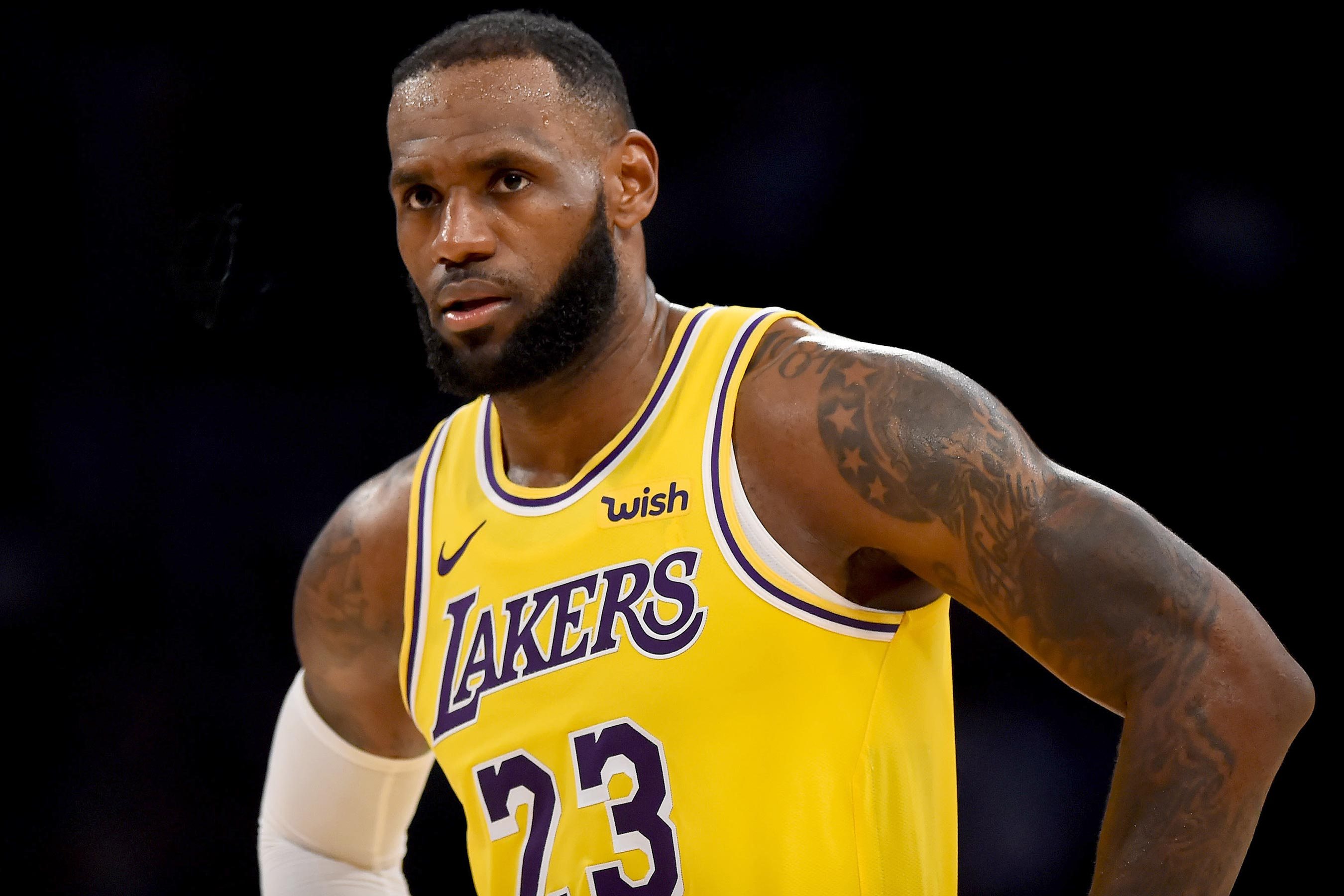
The most interesting part of this source is about when they mention players like Zion Willamson and Lebron James because I really enjoy watching their performance in the league. I am also very interested in the whole discussion about whether college athletes should be paid or not.
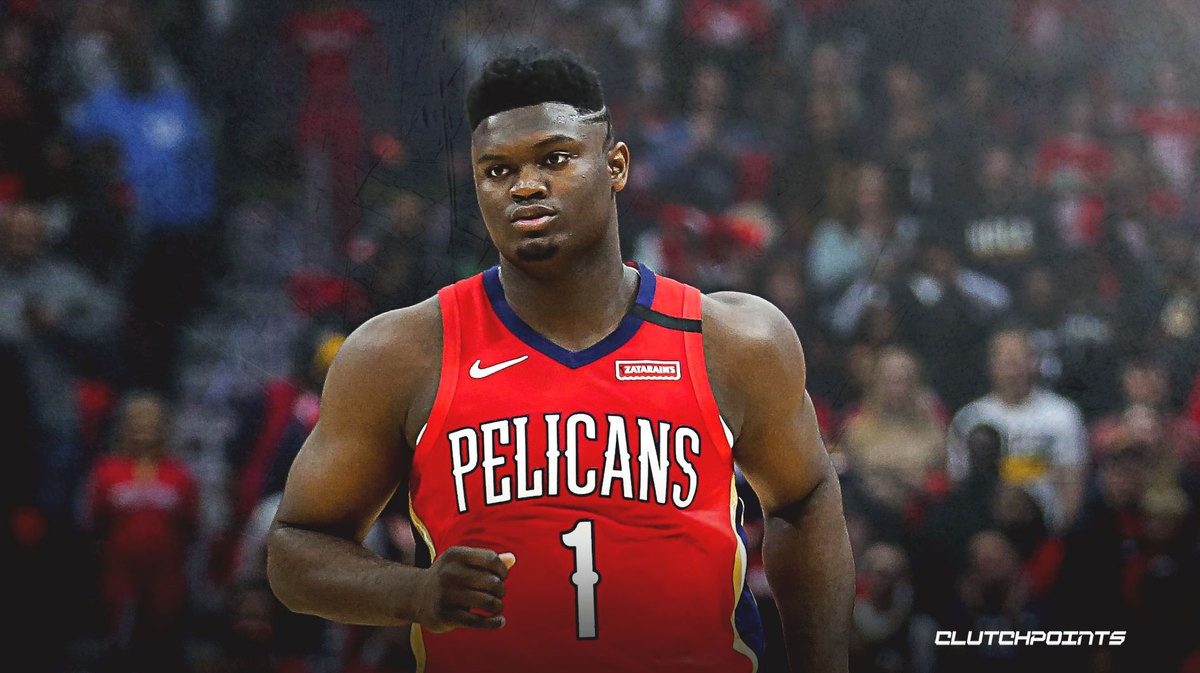
The second Op-Ed I stumbled across is a New York Times article “Should College Athletes Be Paid?”. It is written by Jeremy Engle and he also talks about Zion Williamson’s (basketball player) career at Duke University. They also give his story about when he had an injury and was not able to play a handful of games. He also states how The National Collegiate Athletic Association (NCAA) does not allow their college athletes to receive any compensation from companies which are not affiliated with the school. The players are actually punished if they accept things from other companies. The article gives multiple reasons on why it is wrong that college athletes don’t get paid. (1) arbitrary and unfair to student-athletes, (2) non-beneficial to student-athletes, (3) non-detrimental to higher education, and (4) not a threat to the integrity of college sports.
The final Op-Ed which I discovered on Bleacher Report was, “Pay for Play: Should college Athletes Be Compensated?” and it was written by Brenon Thomas. I may be more biased to this article because of what he provides with. He supports the idea of paying the athletes but there must be strict rules to it. It should be regulated. He also talks about why it should be done, one of the reasons is that it would promote corruption and injustice. There would need to be very strict laws on how much athletes could be paid, but schools could manage ways around it. It is already possible, though extremely illegal, for colleges to pay players. Another reason which I could relate to is that, practicing and school work can be exhausting and time consuming. A Coach gives a story of his former quarterback who is currently playing at University of Delaware and how he used to wake up at 5:30 am for practice and after that go to classes. After his classes he would have tutoring which would last until the evening. Then on top of that he has many expenses such as food, gas, and etc. The coach really agrees with the fact the Athletes should be paid a minimum amount to at least pay for their expenses.
Concluding this blog, there are many pros and cons of paying College Athletes and people still argue about this today. But in reality the NCAA hasn’t done anything, theys still continue to make billions of the athletes and still not pay them. I also learned about how Op-Ed really shows the different arguments and opinions about different topics. Op-Ed can be very beneficial for writing essays because you will always have a counterargument to include your research.
Refrences:
AbigailJHess. “Majority of College Students Say Student-Athletes Should Be Paid, Survey Finds.” CNBC, CNBC, 11 Sept. 2019, http://www.cnbc.com/2019/09/11/student-athletes-should-get-paid-college-students-say.html.
Engle, Jeremy. “Should College Athletes Be Paid?” The New York Times, The New York Times, 26 Feb. 2019, http://www.nytimes.com/2019/02/26/learning/should-college-athletes-be-paid.html.
Thomas, Brennan. “Pay for Play: Should College Athletes Be Compensated?” Bleacher Report, Bleacher Report, 3 Oct. 2017, bleacherreport.com/articles/654808-pay-for-play-should-college-athletes-be-compensated.
Follow My Blog
Get new content delivered directly to your inbox.
 Site Title